Trade tensions, geopolitical conflicts and supply-chain disruptions are reshaping global commerce and creating new challenges for economic growth, according to the International Monetary Fund (IMF) Annual Report 2026.
Trade volumes increased by almost 5% in 2025, despite the trade shocks recorded during the year, with technology-related goods continuing to support global trade. However, the IMF expects trade growth to slow in 2026 amid heightened geopolitical tensions and the economic impact of the conflict in the Middle East.
The Fund highlights the structural changes in US trade policy since early 2025, which accelerated the reorientation of global trade, particularly in Asia. Countries have responded by negotiating bilateral trade arrangements and seeking new opportunities through regional and multilateral agreements.
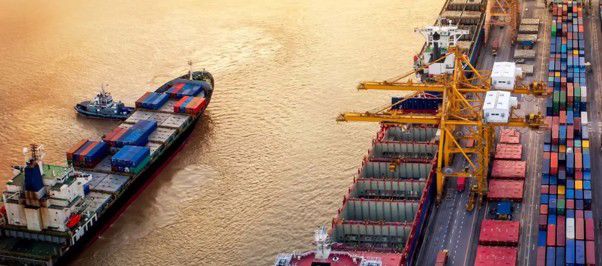
The conflict in the Middle East has added further pressure. According to the International Energy Agency (IEA), the conflict and subsequent closure of the Strait of Hormuz resulted in the largest disruption to global energy supplies on record. The effects extend beyond energy markets, affecting commodities, food supplies and wider supply chains.
The IMF warns that lasting damage to energy infrastructure could continue to constrain supply, while uncertainty is encouraging businesses and governments to develop supply chains that are more resilient, although potentially less efficient.
Global trade barriers also remain significantly higher than in previous decades, adding to uncertainty for companies engaged in international trade and investment.
Against this backdrop, countries and regions are seeking to diversify their trading partners and sources of supply while strengthening the resilience of their economies. The IMF also highlights the risks associated with high external and domestic imbalances, which can increase vulnerability to economic shocks and financial instability.
The Fund stresses the importance of predictable, transparent and well-communicated trade policies to reduce uncertainty and support business and consumer confidence. It is also encouraging countries to pursue further opportunities through multilateral and plurilateral trade negotiations.
At regional level, the IMF points to deeper economic integration as a means of supporting more resilient growth. In particular, it highlights further integration within ASEAN and the deepening of the European Union's Single Market, alongside reforms aimed at stimulating private investment.
For Portugal, the evolving trade environment reinforces the importance of market diversification and stronger supply-chain resilience. As an EU economy closely integrated into international markets, Portuguese companies can potentially benefit from deeper Single Market integration and from efforts to diversify export destinations and sources of supply. For exporters and importers, the IMF's assessment also underlines the importance of monitoring changes in trade policy, energy costs and international logistics when making investment and market-expansion decisions.