Each spring and summer, cork harvest season begins across Portugal, marking a highly anticipated moment that brings renewed attention to one of the world’s most unique and sustainable natural materials. This moment also underscores the mission of 100% Cork, an educational campaign by The Portuguese Cork Association (APCOR) dedicated to increasing awareness of the environmental and technical benefits of natural cork.
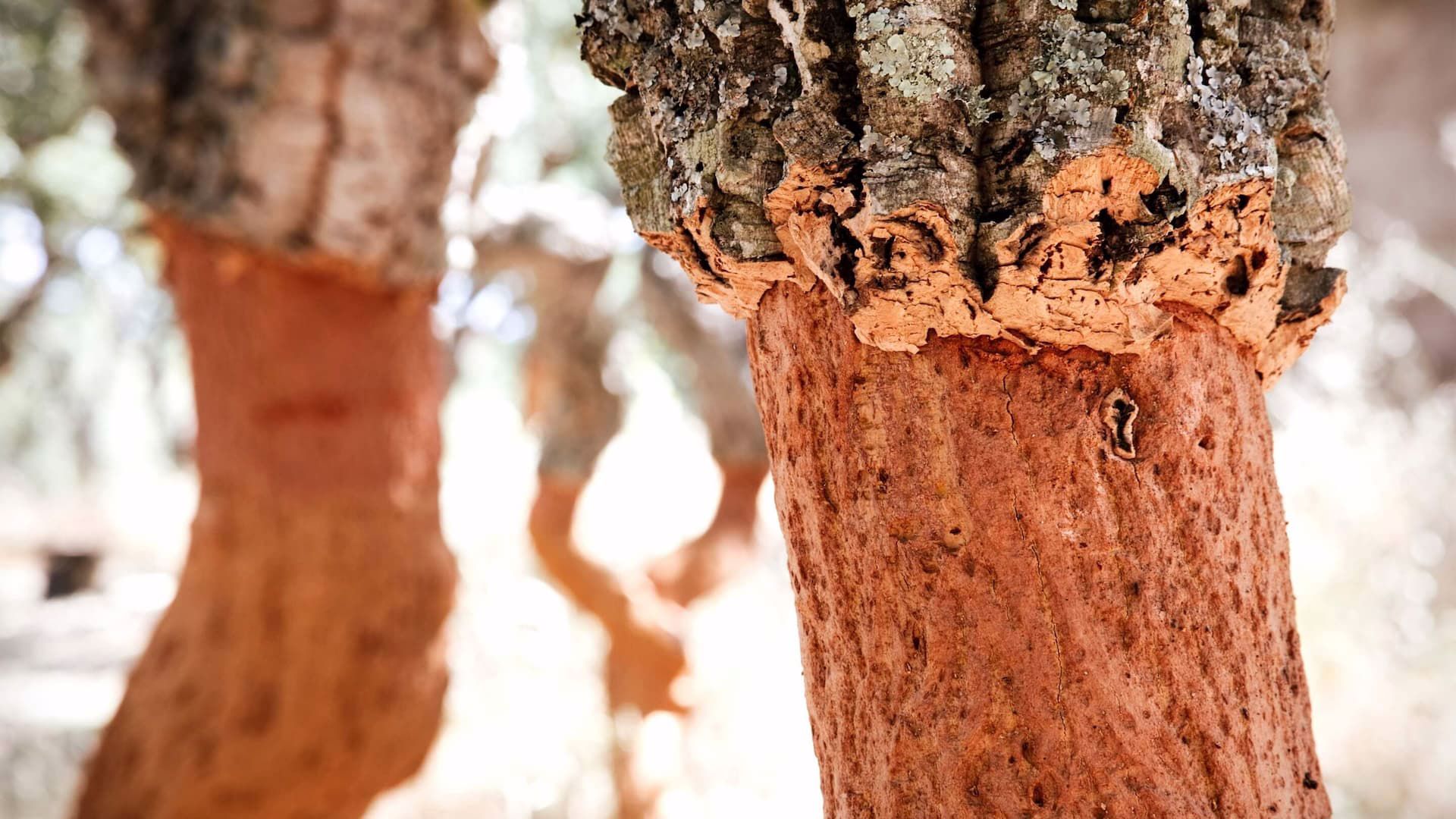
Cork harvesting is a precise and time-honored process in which the outer bark of the cork oak tree (Quercus suber) is carefully removed at the peak of its growth cycle. This short seasonal window ensures that the bark can be stripped cleanly without causing harm, allowing the tree to continue thriving for generations. Using a specialized axe, skilled harvesters make a series of carefully controlled vertical and horizontal cuts to separate and remove large cork planks by hand, a technique that requires deep expertise to avoid damaging the tree’s inner layer. The outer bark itself regenerates over time, making cork one of the few raw materials in the world that is both renewable and naturally regenerative. In fact, regular harvesting has been shown to support the tree’s overall health and vitality.
“Cork harvesting is a remarkable example of how tradition and sustainability can coexist,” said Paulo Américo Oliveira, President of APCOR Board. “For centuries, this process has been carried out with deep respect for the tree and the surrounding ecosystem, ensuring that cork oak forests continue to flourish while supporting rural communities and global industries alike.”
In Portugal, cork is deeply intertwined with the cultural and economic fabric of rural communities. The country produces approximately 50% of the world’s cork, with more than 730,000 hectares of cork oak forests supporting over 8,000 direct jobs, alongside thousands more across tourism, gastronomy, and logistics. Documented as one of the highest-paid agricultural jobs in the world for good reason, cork harvesting has provided stable, skilled employment, sustaining local economies while preserving a way of life rooted in craftsmanship and environmental stewardship.
Know more.