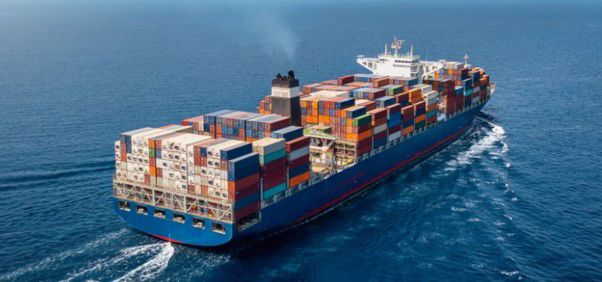
Remodelling the methodology used to monitor trade diversion, the Commission’s import barometer focuses on longer term sustained increases in imports that reflect the systemic nature of such pressure. This adjustment responds to rising imports driven by industrial overcapacities – often fuelled by state-led policies and support measures – and their impact on EU industrial production.
Drawing upon Eurostat data, the reconfigured import barometer will continue to improve collective understanding among EU stakeholders of the scale and nature of the growing impact of sustained increases in imports of certain products. The reconfiguration seeks to capture long-term trends in trade flows. It will help to inform actions taken to protect the EU's internal market, its industrial base and, ultimately, its economic security and prosperity. As of this month, it will be updated on a quarterly basis and take on a more aggregate nature.
The Commission reiterates its call for European companies to contribute to these import monitoring activities by offering their own market intelligence and data. Combining the barometer with information provided by industry will help the Commission to evaluate which products and industry sectors are suffering injury due to sustained import increases and may require protection. This will enable the Commission to take targeted, proportionate, and timely protective action where necessary.
Know more here.