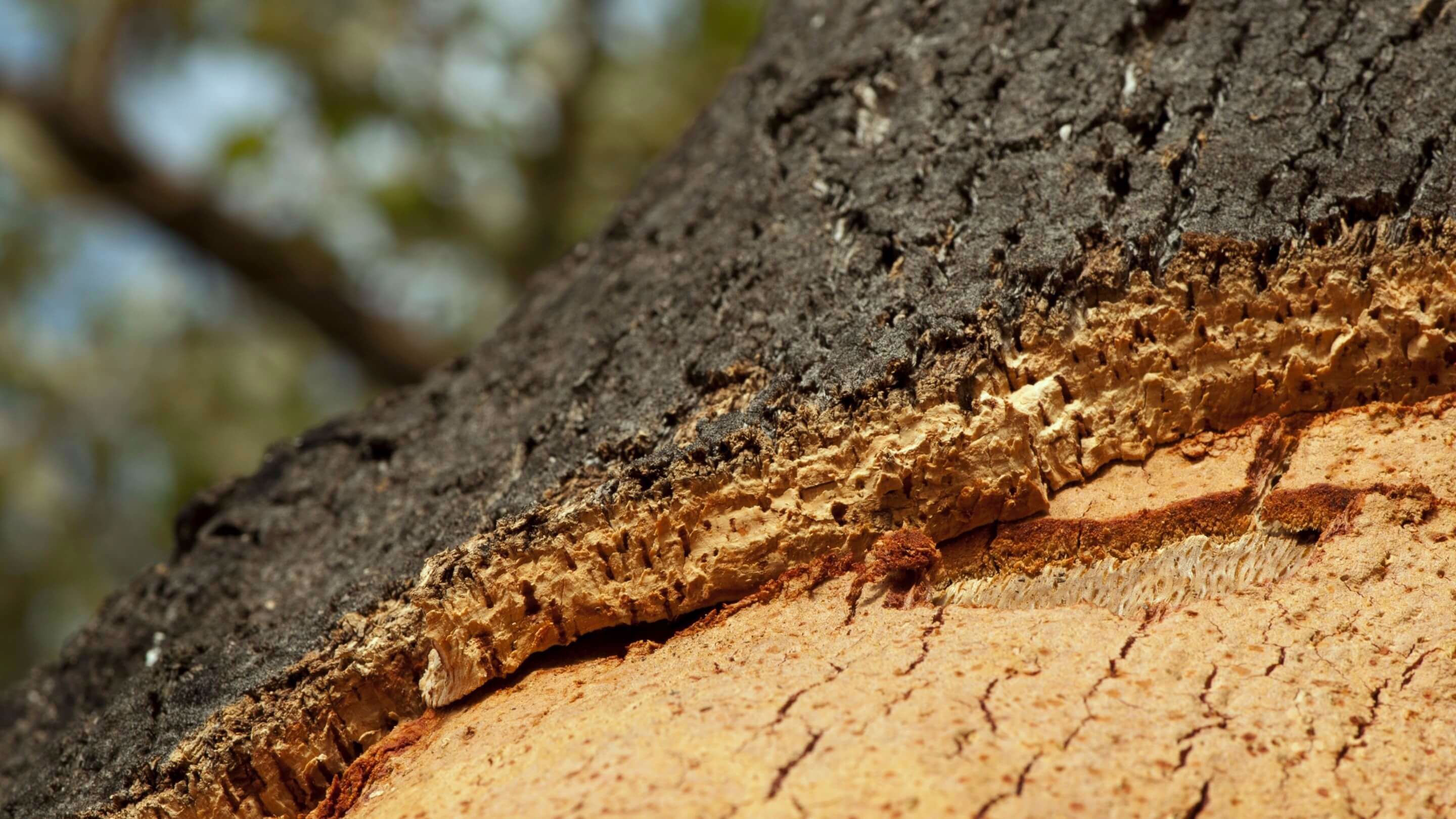
Through the work of Corticeira Amorim, cork has progressively gained a central place and leading role in design, architecture and sustainability initiatives worldwide.
Corticeira Amorim has unparalleled knowledge of how cork can empower the transition to a more sustainable, resilient and inclusive economy, ensuring more responsible and safe consumption.
The company has developed a broad plan of initiatives that make cork available to society in its most diverse forms, based on the company’s technical expertise and know-how, thereby encouraging further knowledge, discovery and use. In 2010, Corticeira Amorim launched the Materia collection, Cork by Amorim, curated by Experimentadesign, which since then has formed the basis for a unique creative action in the sector, presenting cork on the main international design stages as it had never been seen before. Materia is a collection of sustainable objects, that applies new techniques and trends to cork, signed by national and international creatives, from distinguished figures to emerging designers from the world of design. We have seen the growing involvement of a remarkable community of creative talents, who have made it possible to conquer new territories for cork. In the context of the Materia collection we receive hundreds of design, architecture and creativity projects, that often link cork and Amorim to important educational, social, environmental, cultural or artistic initiatives.
Through the work of Corticeira Amorim, cork has progressively gained a place and a leading role in initiatives setting the design, architecture and sustainability agenda worldwide, such as the Serpentine Summer Pavilions, the V&A, the Tate Modern, the London Design Festival, Milan Design Week, the Venice Biennale and ARCO Madrid. This strategic action plan also focuses on raising awareness of cork among the world’s design community - of today and of the future - by organising and taking part in various initiatives, in partnership with institutions such as the Domaine de Boisbuchet, the Royal College of Art, the Karlsruhe Institute (Germany), the Nuova Accademia di Belle Arti di Milano, the Rhode Island School of Design, the Parsons School of Design and the Pratt Institute, encompassing initiatives, workshops and even multi-year programmes on design, architecture and technology applied to cork. As a result, many hundreds of students around the world come into contact with cork during their education, receiving knowledge and a real motivation for cork and sustainability. In this issue, we invite you to learn more about three current initiatives: Spirit of Place (London), Generation Proxima (New York) and Not Post-Modernism.
Go back
Investment
Cork has progressively gained a central place worldwide
Through the work of Corticeira Amorim.
Amorim/AICEP
22/05/2024