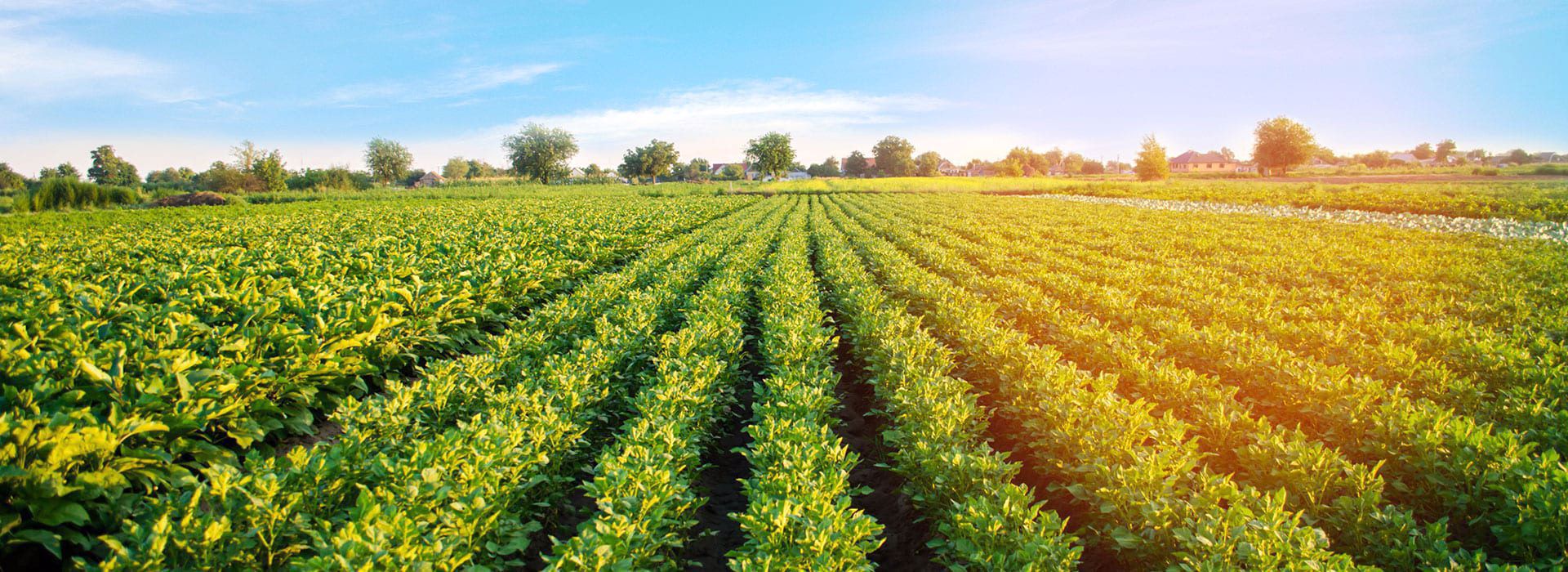


The agri-food sector is a significant part of Portugal’s business fabric. It includes around 124,000 companies in 2024, about 7.9% of the national total. The sector covers primary activities: agriculture, livestock, fisheries, and aquaculture. It also includes the food and beverage industry, reflecting its diversity and reach.
The sector employs more than 327,000 people. This highlights its social relevance and importance for territorial cohesion, especially in less economically dense regions.
In 2025, agri-food exports reached €10.6 billion. This accounted for about 13.3% of Portugal’s total goods exports and reinforced the sector’s strategic role in the national economy.
In 2025, Portugal exported to 193 markets. The European Union remained dominant. Spain was the main trading partner, taking 41.5% of exports. France, Italy, Germany, and the Netherlands followed. These destinations have high standards and strict requirements. They favour differentiated, high-value-added products such as wine, olive oil, fruit, and processed goods.
There has also been growth in non-EU markets, especially the United States, Brazil, and the United Kingdom. These destinations are gaining relevance, particularly in premium segments. This trend contributes to wider geographic export diversification.
The export structure in 2025 remains relatively stable:
- Agriculture, livestock, fisheries and aquaculture: 60.7% of total exports, with a slight contraction (-2.3%).
- Food and beverage industry: 39.3%, maintaining moderate growth (+1.1%).
This trend shows the processing component is gaining strength, with exported products adding more value. The sector offers high-quality products recognised internationally, based on tradition, innovation and adaptability.
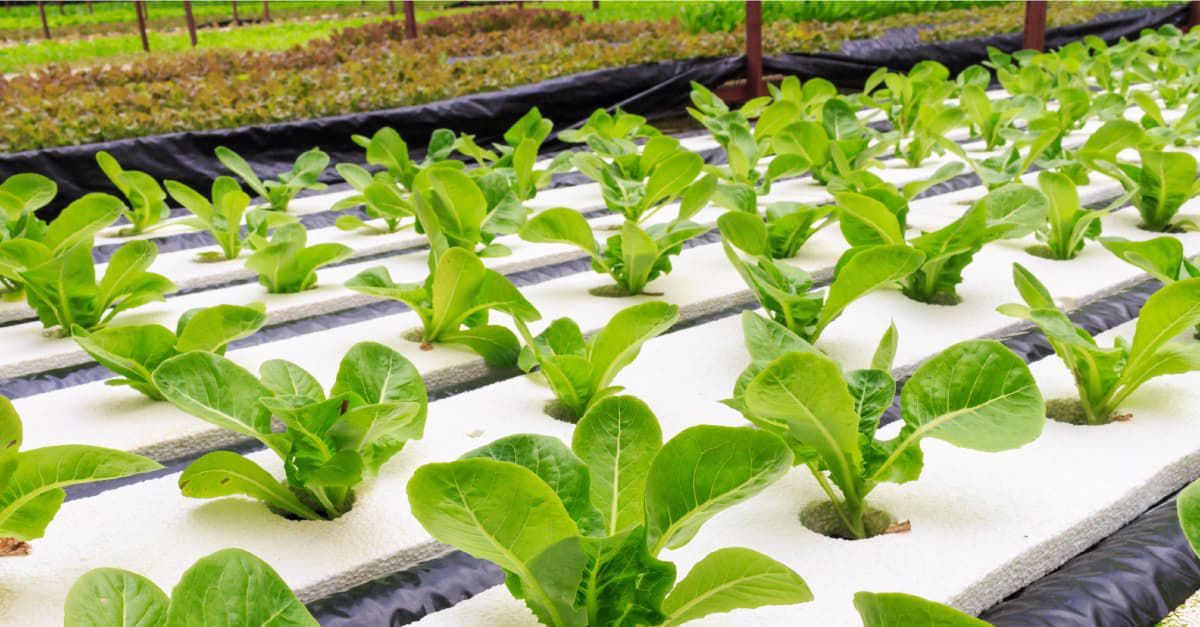
Portugal’s agri-food products are authentic, high-quality and more competitive in international markets, often linked to healthy diets.
The sector meets high food safety standards, building consumer trust. It also invests in brand and packaging to boost market appeal.
Technological innovation and sustainability are key to transforming the sector. Digitalisation, scientific development, certification, and sustainable practices all help. These efforts improve access to international markets, strengthen traceability and food safety, and reduce fraud risks across the value chain.